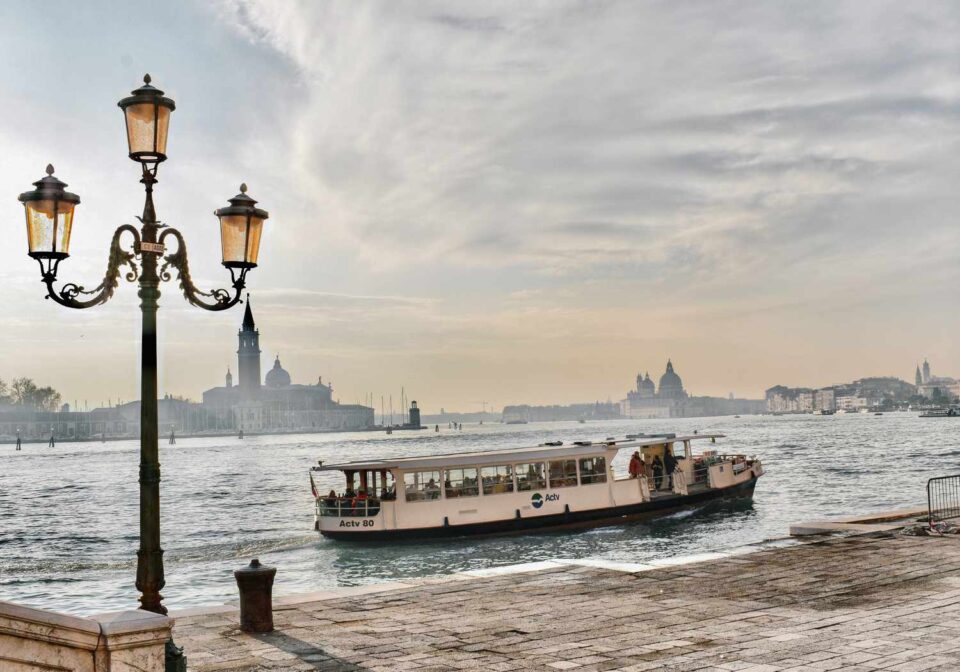
Venice is a city like no other, where roads are replaced by canals and buses float on water. The Vaporetto, Venice’s iconic waterbus, is your gateway to exploring this magical city and its surrounding islands. Whether you’re visiting for the first time or you’re a local commuting through the waterways, we’ve got everything you need to navigate Venice with ease.
Santa Marta and San Basilio are two adjacent neighborhoods located in the Dorsoduro district of Venice, Italy. Situated in the westernmost part of the city, these areas have a rich history rooted in industrial and maritime activities.
Santa Marta: Historically, Santa Marta was a hub for industrial and port activities, especially following the completion of the rail bridge connecting Venice to the mainland in 1846. The area housed significant structures such as the Maritime Station, Venetian Gas Works, General Warehouses, and a major cotton mill. Over time, as industrial activities moved to the mainland, many of these buildings were repurposed. Today, Santa Marta has transformed into a university quarter, with several former industrial buildings now serving as university departments.
San Basilio: Adjacent to Santa Marta, San Basilio has a strong maritime heritage. It is home to the San Basilio Cruise Terminal, which accommodates smaller cruise ships and ferries. The neighborhood also features historical sites, including the San Basilio Museum and a Romanesque church, showcasing archaeological finds from a Roman villa and artifacts from Etruscan, Greek, and Roman periods.
In recent years, both neighborhoods have undergone significant redevelopment. Efforts by the Venice Port Authority have focused on integrating urban and port structures, including demolishing walls that once separated the port from the city and creating pedestrian-friendly areas.
Today, Santa Marta and San Basilio offer a unique blend of historical significance and modern development, making them intriguing areas for exploration beyond Venice’s more frequented tourist spots.